
Funnel Conversion Analysis for B2B SaaS Activation
Funnel Conversion Analysis for B2B SaaS Activation
Funnel conversion analysis is the fastest way for a B2B SaaS under 10k MAU to pinpoint where onboarding breaks and what to fix first. In this guide, you will produce a measurable output in under 10 minutes: an activation funnel with the top drop off step and a short list of plays to ship this week.
Mục lục
- What funnel conversion analysis should output (not dashboards)
- The 10 minute setup: from events to an activation funnel
- How to diagnose drop off with segments (cohorts that matter)
- Turn insights into onboarding plays you can measure in 7 to 14 days
- When to upgrade from solo to a team plan
- Common pitfalls and how to avoid false conclusions
Key Takeaways
- Good funnel conversion analysis produces a ranked drop off step, not just a chart.
- You can reach first value in under 10 minutes using a minimal event schema and templates.
- Segmenting by source, plan, and first session behavior prevents misleading averages.
- Ship one onboarding play per week and measure lift by cohort within 7 to 14 days.
- Upgrade to team when you need shared ownership, permissions, and a weekly operating rhythm.
What funnel conversion analysis should output (not dashboards)
For early stage B2B SaaS teams, the goal is not “more analytics.” The goal is a repeatable weekly workflow that produces outputs you can act on.
Define success for funnel conversion analysis as these concrete outputs:
- Activation Funnel: a step by step path from Signup to your “aha moment” (first key event).
- Drop off ranking: the single step with the biggest absolute loss (not just the lowest percentage).
- Time to first key event: median time from Signup to the key event, split by cohort.
- One week play list: 1 to 3 onboarding changes tied to a metric and a target cohort.
- Weekly Activation Report: a consistent snapshot you can review every week.
Founder OS is designed around this loop: track events, verify profiles, analyze funnels and segments, then launch in app onboarding plays (tours and nudges) and measure impact.
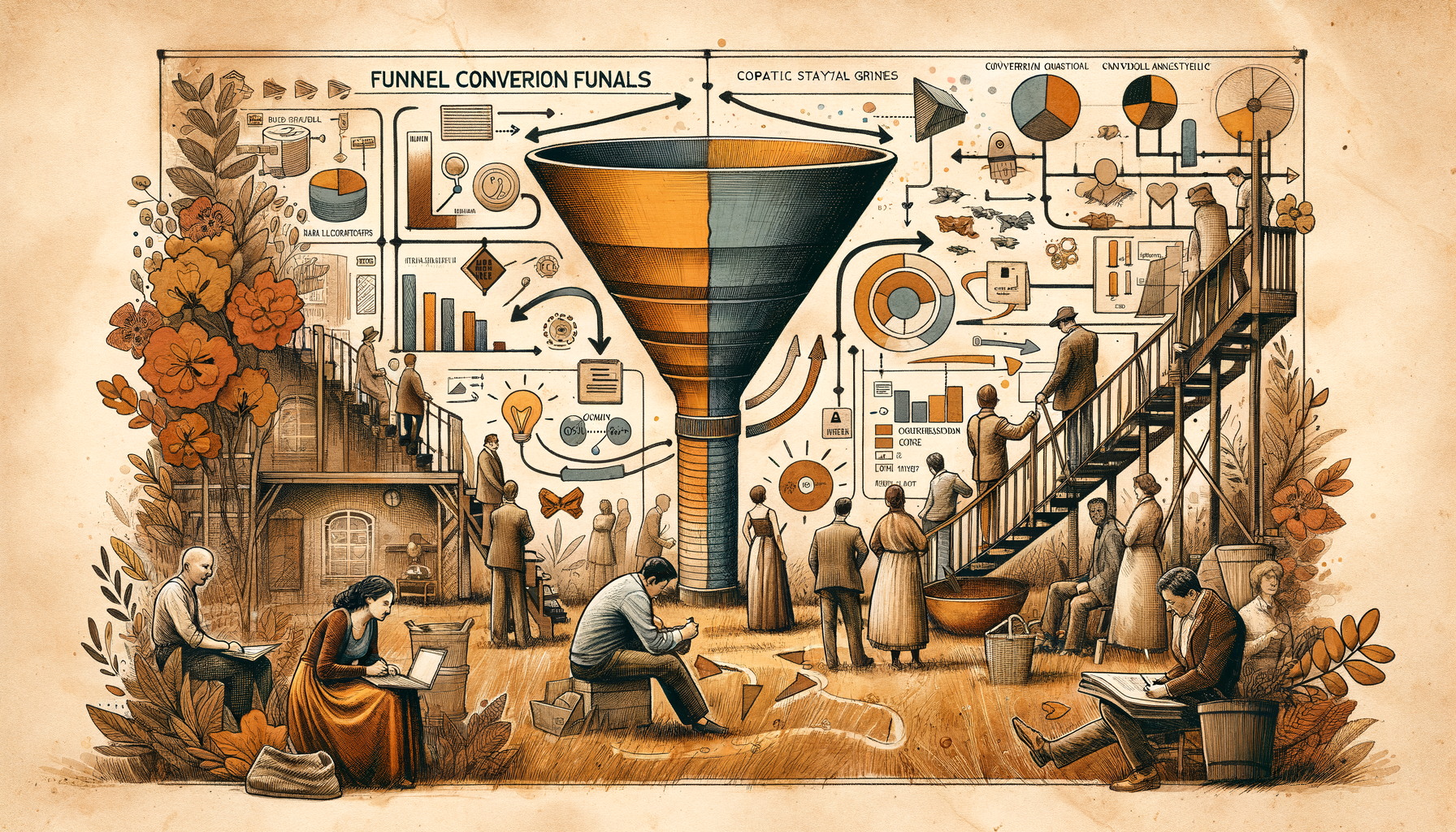 Example activation funnel showing the highest drop off step and the metric outputs to review weekly.
The 10 minute setup: from events to an activation funnel
If you are under 10k MAU, speed matters. Your first value should be “I can see where users drop off” without a multi week instrumentation project.
Use this minimal activation schema (you can expand later):
- User Actions (events): signup, complete onboarding step, create first object (project/workspace), invite teammate (if relevant), use core feature.
- User Traits: signup_source, plan_type, role, company_type (or team_size), and a stable user_id.
10 minute quickstart checklist (self serve)
- Minute 0 to 2: Pick your activation definition (the first key event that correlates with retention).
- Minute 2 to 5: Map 3 to 5 steps into a funnel (Signup to Key Event). Keep it short.
- Minute 5 to 8: Send or import your event list. If your naming is messy, start with a template and map later.
- Minute 8 to 10: Open the funnel view and capture the top drop off step and baseline conversion rate.
In Founder OS, you define and manage events as User Actions, and metadata as User Traits. Then you can validate tracking quickly by checking All Users and drilling into a profile timeline to confirm events are firing correctly.
How to diagnose drop off with segments (cohorts that matter)
Averages hide the truth. The same funnel can look “fine” overall while one acquisition channel or persona is failing hard.
Run funnel conversion analysis with segments that match how you make decisions:
- By acquisition source: organic, paid, partner, outbound, community.
- By plan: free vs trial vs paid.
- By first session behavior: users who reached step 2 in the first session vs those who did not.
- By account traits: company_type or team_size if your product is collaborative.
In Founder OS, you build these as Audiences (behavior plus traits). The output you want is not “many segments,” but one segment that explains the drop off, for example:
- “Paid traffic users sign up but do not create a project within 24 hours.”
- “Solo accounts activate, but teams of 3 to 10 stall at invite teammate.”
Expert Insight
For B2B SaaS under 10k MAU, the highest leverage move is usually reducing time to first key event, not polishing every onboarding screen. If your median time to key event is longer than one session, your funnel conversion analysis should prioritize plays that help users complete the key action in the first 10 minutes of product use.
Turn insights into onboarding plays you can measure in 7 to 14 days
Analysis only matters if it turns into a shipped change with a measurable before and after.
Use this simple play format:
- Target cohort: the Audience you identified.
- Trigger: when and where the user gets help (page, event, or intent).
- Action: product tour step, tooltip, or conversion nudge.
- Metric: step conversion lift, activation rate, or time to key event.
- Window: measure within 7 to 14 days for early signal.
Founder OS closes the loop by letting you deploy Product Onboarding (Product Tour) and Conversion Nudges after you find the drop off step. Then you track the same funnel again and compare cohorts in the GTM Report.
Example play for the ICP:
- Finding: biggest drop off is between Signup and Create Project.
- Play: a 3 step tour that highlights the Create Project button, explains the minimum setup, and confirms success.
- Success metric: +15 percent relative lift in Create Project completion within 24 hours, and reduced median time to key event.
When to upgrade from solo to a team plan
Start self serve as a single owner (Founder, PM, or Growth). Upgrade when funnel conversion analysis becomes a team operating rhythm, not a one off investigation.
Use these upgrade signals:
- Multiple owners: Product and Growth both need to review the same funnel weekly.
- Collaboration needs: you need shared dashboards, shared segments, and consistent definitions of activation.
- Governance: you need role based access control so not everyone can edit tracking or onboarding plays.
- Operational cadence: you want alerts to Slack or email when activation drops or a key cohort stalls.
- Scale of experimentation: you are running multiple onboarding plays across different segments.
Founder OS supports team expansion with collaboration workflows and RBAC so you can standardize metrics and reduce accidental changes.
Common pitfalls and how to avoid false conclusions
- Messy event naming: if events are inconsistent, your funnel will lie. Start with a minimal schema and normalize over time using templates or imports.
- Wrong activation definition: pick a key event that correlates with retention, not a vanity click.
- No verification: always spot check real users in profiles to confirm events are firing in the right order.
- Over segmenting: one strong segment that explains the drop off is better than ten weak ones.
Câu hỏi thường gặp
What is funnel conversion analysis in a SaaS product?
It is the process of measuring how users move through a defined set of product steps (for example Signup to Key Activation Event), identifying where they drop off, and quantifying conversion rates and time between steps.
How many steps should an activation funnel include?
For early stage B2B SaaS, start with 3 to 5 steps. Fewer steps makes it easier to instrument, verify, and act. You can add depth after you have one reliable baseline.
How fast can I get first value if my tracking is not perfect?
You can still get first value quickly by tracking only the minimal events needed for activation and validating them in user profiles. The goal is a trustworthy drop off step, not a complete analytics implementation.
How do I know if an onboarding play actually worked?
Measure the same funnel before and after, compare cohorts over a 7 to 14 day window, and track both step conversion and time to first key event. Avoid judging by total signups or page views.
When should a small team move from analysis to automation and alerts?
When activation becomes a weekly metric you review, and you need proactive signals (Slack or email) to catch drops early. That is typically when more than one person owns onboarding and growth.
Next step: If you want a fast, self serve workflow for funnel conversion analysis that goes from insight to in app onboarding actions, try Founder OS. Start solo to generate your first activation funnel, then upgrade when your team needs shared ownership, permissions, and a weekly operating rhythm.
Unknown Author
Stay in the loop
Get the latest insights on SaaS growth, product strategy, and more delivered to your inbox.